
State-to-State Auto Transport provides a convenient solution for moving vehicles across state lines without driving long distances. Iselin Auto Shipping helps customers arrange interstate vehicle transportation for residential relocations, online car purchases, seasonal moves, and business needs. Choose from open and enclosed shipping options based on your vehicle, budget, and destination.

Moving a vehicle from one state to another can be challenging, especially when you are managing a household relocation, purchasing a car remotely, or coordinating a business move.
Iselin Auto Shipping helps customers arrange state-to-state auto transport services designed to make long-distance vehicle transportation more convenient.
Based in Iselin, New Jersey, we assist individuals, families, vehicle buyers, dealerships, and businesses with interstate auto shipping arrangements throughout the United States.
Whether you need to ship a vehicle from New Jersey to Florida, relocate a car to Texas, or arrange transportation between other states, we can help you explore available shipping solutions.
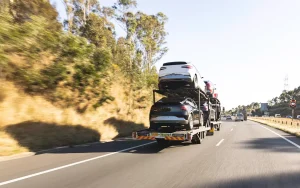
State-to-state auto transport refers to shipping a vehicle across state boundaries using a professional vehicle carrier.
Instead of driving the vehicle to its destination, customers arrange transportation through an auto shipping service.
Interstate vehicle transportation can be useful for both short and long routes. It is commonly selected by people relocating for work, students attending out-of-state universities, military families, seasonal residents, and customers purchasing vehicles from sellers in other states.
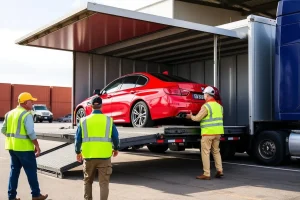
Transportation arrangements may include open carriers, enclosed trailers, and door-to-door pickup and delivery services.
The appropriate method depends on the vehicle’s characteristics, destination, transportation budget, and desired level of protection.
Avoid Long-Distance Driving
Driving hundreds or thousands of miles requires time, fuel, lodging, and careful travel planning. Vehicle shipping can reduce the amount of driving you need to do during a relocation.
Reduce Additional Vehicle Mileage
Transporting a car on a carrier avoids adding the same road mileage that would result from driving it to its destination.
Simplify Relocation Planning
Shipping a vehicle separately can make it easier to coordinate household moves, business transfers, or long-distance travel.
Flexible Transportation Options
Customers can compare open and enclosed carrier services depending on their vehicle type, shipping budget, and transportation requirements.
Convenient Pickup and Delivery
Where available, door-to-door transportation allows vehicles to be collected and delivered near designated addresses.
Families and Individuals Relocating
Moving to another state often involves organizing housing, employment, travel, and personal belongings. Shipping a vehicle can simplify one part of that process.
College Students
Students attending universities outside their home state may prefer to have their vehicles transported rather than complete a long road trip.
Military Personnel
Military families frequently face relocation schedules that require careful transportation planning. Interstate auto shipping may help coordinate personal vehicle moves, subject to applicable military requirements.
Snowbirds and Seasonal Residents
People who spend part of the year in warmer states may choose to ship their vehicles between seasonal residences.
Online Vehicle Buyers
Purchasing a car from an out-of-state dealership or private seller may require arranging transportation to the buyer’s home or another suitable destination.
Automotive Businesses
Dealerships and other automotive businesses may use interstate vehicle transportation to move inventory or deliver purchased vehicles.
Step 1: Request a Free Quote
Provide your vehicle’s make, model, year, running condition, pickup ZIP code, delivery ZIP code, and preferred shipping dates.
Step 2: Select Your Transportation Method
Compare available open and enclosed carrier options. Open transportation is commonly selected for standard vehicles, while enclosed shipping offers additional protection for specialty automobiles.
Step 3: Confirm Your Shipping Arrangements
Discuss estimated pickup and delivery windows, carrier accessibility, and any special vehicle requirements.
Step 4: Prepare the Vehicle
Remove loose personal items, document the vehicle’s condition, check for leaks, and ensure the vehicle is ready for loading.
Step 5: Vehicle Pickup and Interstate Transportation
At pickup, the carrier typically completes an inspection and documents the vehicle’s condition. The vehicle is then transported toward the agreed destination.
Step 6: Delivery and Final Inspection
Inspect the vehicle upon arrival, compare its condition with the original inspection report, and complete the necessary delivery documentation.
Interstate auto shipping times depend on the distance, route, carrier schedule, traffic, weather, and other transportation conditions.
A shipment between neighboring states may require less transit time than transportation across the country.
Long-distance routes can take several days or longer, and estimated delivery windows may change due to operational conditions.
Customers should distinguish between the estimated pickup window and the actual transit period. These are separate scheduling considerations.
For time-sensitive moves, discussing your preferred dates as early as possible can help clarify available transportation options.
Interstate car shipping prices vary depending on several factors.
Distance is a major consideration, but the final estimate may also depend on vehicle size, weight, operating condition, transportation method, seasonal demand, fuel costs, and route accessibility.
Shipping a standard sedan between frequently traveled metropolitan areas may have different pricing than transporting a large truck to a rural destination.
Enclosed shipping generally costs more than open carrier transportation because of specialized equipment and lower trailer capacity.
Customers seeking affordable state-to-state car transport should compare suitable shipping methods and provide flexible dates when possible.
Customers may require transportation between New Jersey and states such as Florida, New York, Pennsylvania, North Carolina, Georgia, Texas, California, and other destinations.
Common situations include job relocations, seasonal travel, vehicle purchases, dealership transfers, and family moves.
Route availability, pickup windows, and delivery estimates should be confirmed for each shipment.
Iselin Auto Shipping focuses on helping customers understand their long-distance vehicle shipping options and prepare for transportation.
We recognize that interstate shipping often involves important deadlines, unfamiliar destinations, and valuable vehicles.
Our approach emphasizes clear communication, practical planning, and transportation options tailored to each customer’s requirements.
Whether you are moving one vehicle or discussing multiple-car transportation, we can help you evaluate your shipping needs.
Planning an interstate move or need to transport a vehicle across the country?
Contact Iselin Auto Shipping at (848) 272-2458 or visit iselinautoshipping.com to request a personalized state-to-state vehicle shipping estimate.
Find answers to some common questions about car shipping and vehicle transportation.
Car shipping prices depend on the distance, vehicle size, transport method, pickup and delivery locations, season, and carrier availability. Open transport is generally more affordable than enclosed transport. Contact Iselin Auto Shipping for a quote based on your specific shipment.
Delivery times vary depending on the route, distance, weather, traffic, and scheduling conditions. Shorter regional shipments may take a few days, while longer interstate shipments can take a week or more. Estimated transit times should be confirmed when arranging transportation.
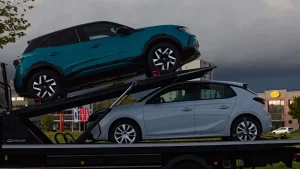
Open car transport carries vehicles on an open trailer and is commonly used for standard passenger vehicles. Enclosed car transport uses a covered trailer to provide additional protection from weather and road debris. Enclosed shipping typically costs more.
You or an authorized representative generally need to be available to release and receive the vehicle, participate in the inspection, and sign the required documentation. Confirm the exact requirements when booking.
Clean your vehicle, photograph its condition, remove loose personal belongings, check for fluid leaks, and make sure the battery and tires are in suitable condition. Keep fuel at approximately one-quarter tank unless your carrier provides different instructions.